
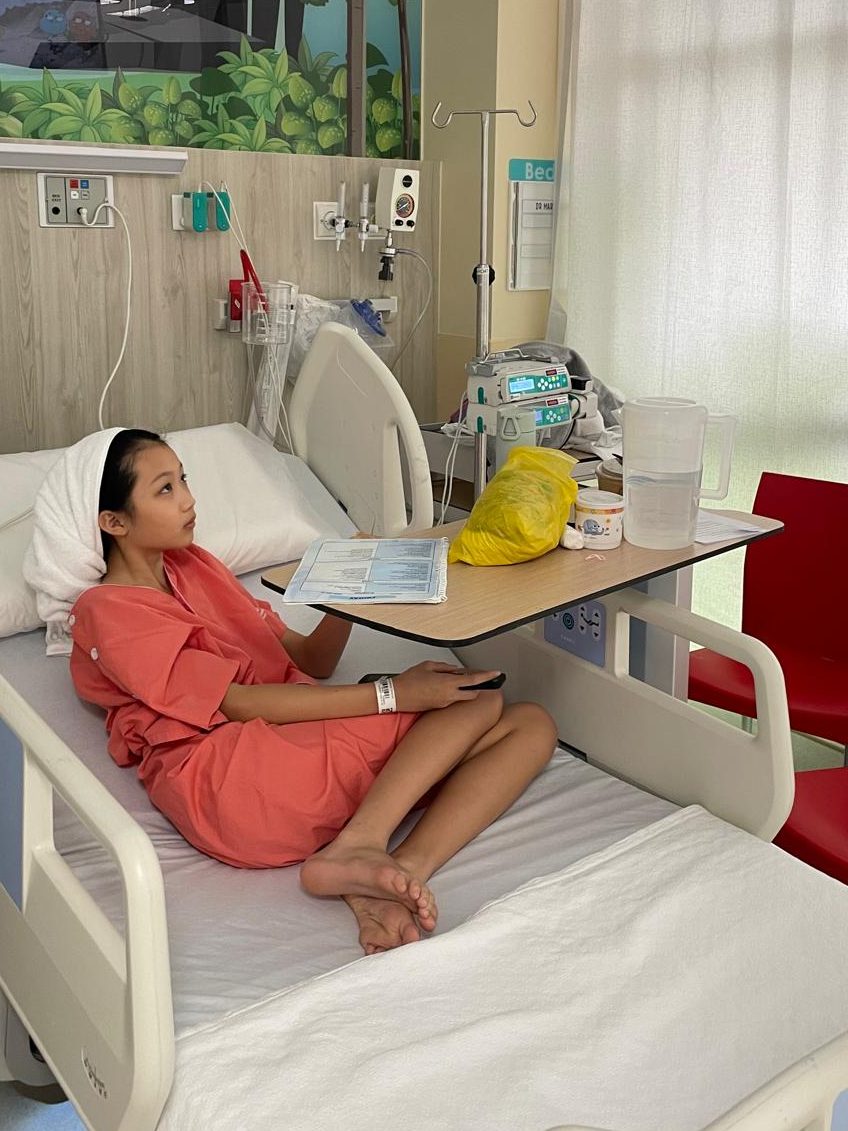
I was mostly in bed when I was in the hospital. As everything I needed was provided to me, I didn’t travel around much. I also had access to my phone, laptop, and a television, so I preferred to stay in my personal area than move around the ward. There was no reason for me to get out of bed, and I wasn’t sure whether I was allowed to move around. I could see a playground outside but I didn’t think I was allowed to play there as there was nobody outside.
I was mostly in bed ALONE when I was in the hospital. As everything I needed was provided to me, I didn’t travel around much. I also had access to my phone, laptop, and a television, so I preferred to stay in my personal area than move around the ward. There was no reason for me to get out of bed, and I wasn’t sure whether I was allowed to move around. I could see a playground outside but I didn’t think I was allowed to play there as there was nobody outside.
I eventually realised that I was not very independent or responsible. I didn’t have to go on my own, finish assignments, or study. Without goals and friends, the environment also felt boring.
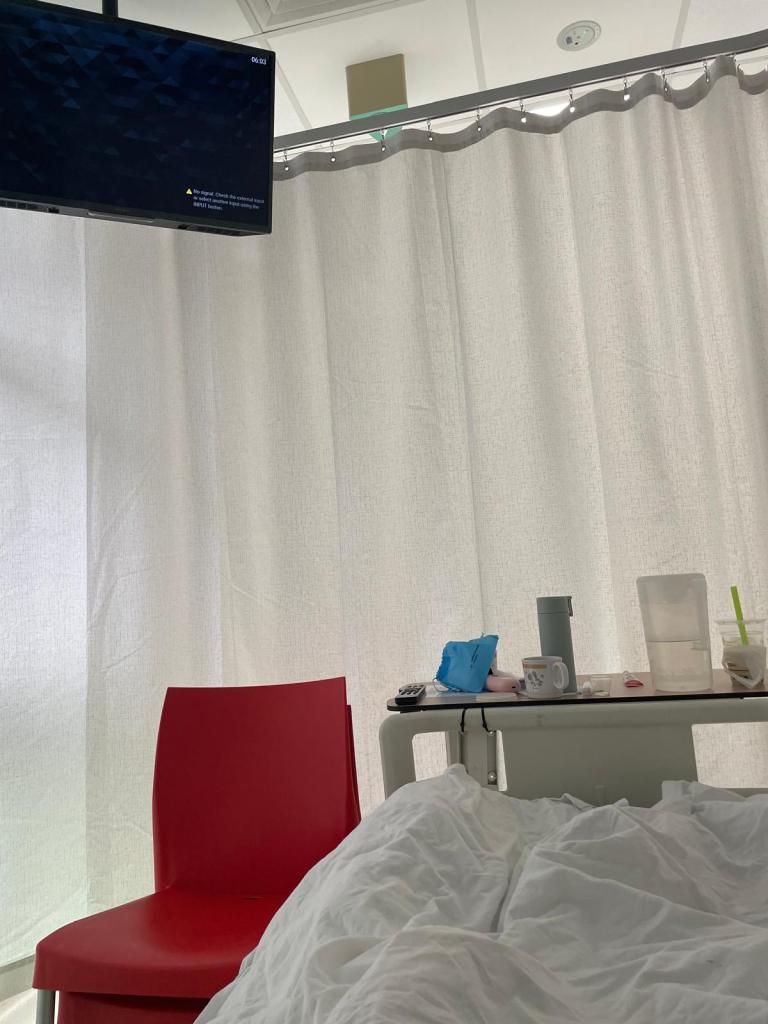
I thought about the situation of elderly people residing in nursing homes because of this event. Do they look forward to anything? If so, what do they do? Elderly people in similar environments had greater rates of muscle deterioration, according to studies. One explanation might be that they don’t have the opportunity or motivation to move around frequently.
During the hospital stay, I wore hospital gowns like everyone else. This made me feel less like myself and reduced my sense of individuality. The hospital gowns felt like a pajamas, which made me wanted to stay in bed more and was less motivated to move around.
These realisations reminded me of the seniors I met at the nursing homes. Most of them were either sitting in front of the TV day and night, or just lying on the beds.
How might we create simple, enjoyable goals and social moments that encourage seniors to stay active and engaged every day?
 Smol Boss
Leave a comment