
It all started when someone gave us a few fertilised quail eggs. We were curious and excited. We had never incubated eggs before! We read up, set up a small incubator, and carefully turned the eggs every day.
Then, one Saturday morning, we heard a soft chirp in our sleep. It was around 7am. We jumped out of bed and ran downstairs. Tt was finally happening! The first quail had hatched.
But hatching was just the beginning.
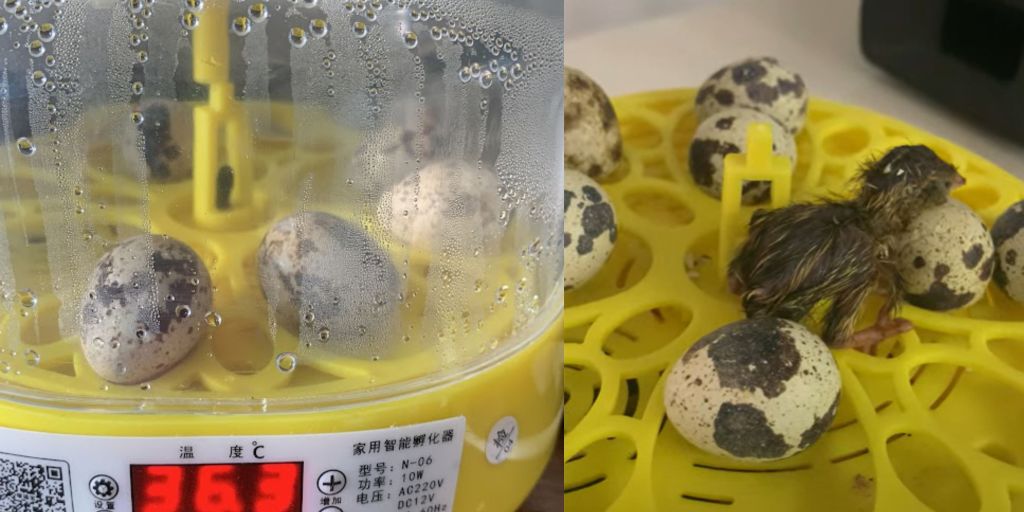
One of the other eggs was still gently rocking. We watched as the little chick inside slowly tried to break free. It would push, then stop… resting for a bit before trying again. We held our breath as we waited. The moment felt quiet, hopeful, and magical.

The first two weeks were the most important.
The quail chicks were tiny and fragile, so we kept them warm in a box with soft bedding and a heat lamp. We made sure they were fed, safe, and checked on them every few hours. It was a lot of work, but it was also full of joy.
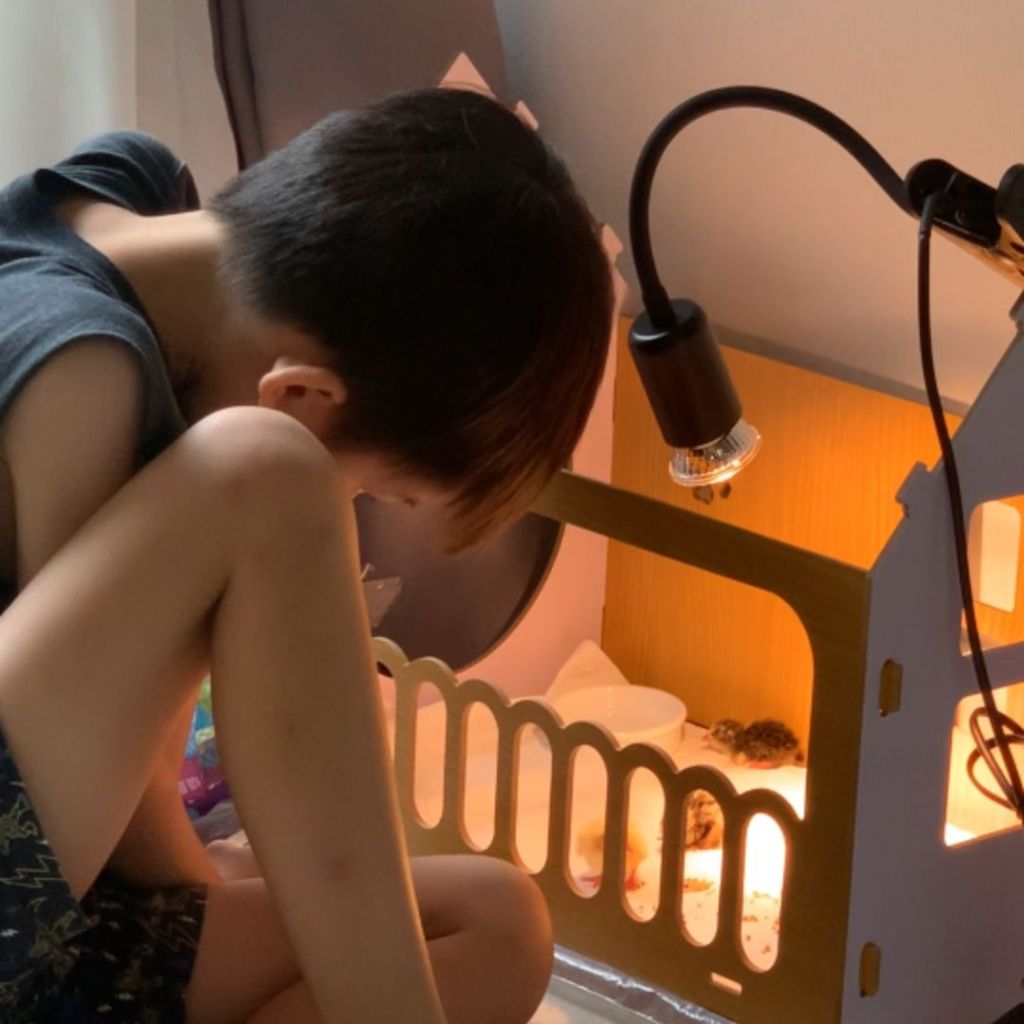
As the chicks grew, they needed a proper home. So we got to work.
We built a quail cage ourselves using mesh wire, plant support poles, and zip ties. It was like building a mini house! We designed it so there was enough space for the quails to walk around comfortably, and we added a shaded corner to keep them cool during hot afternoons.
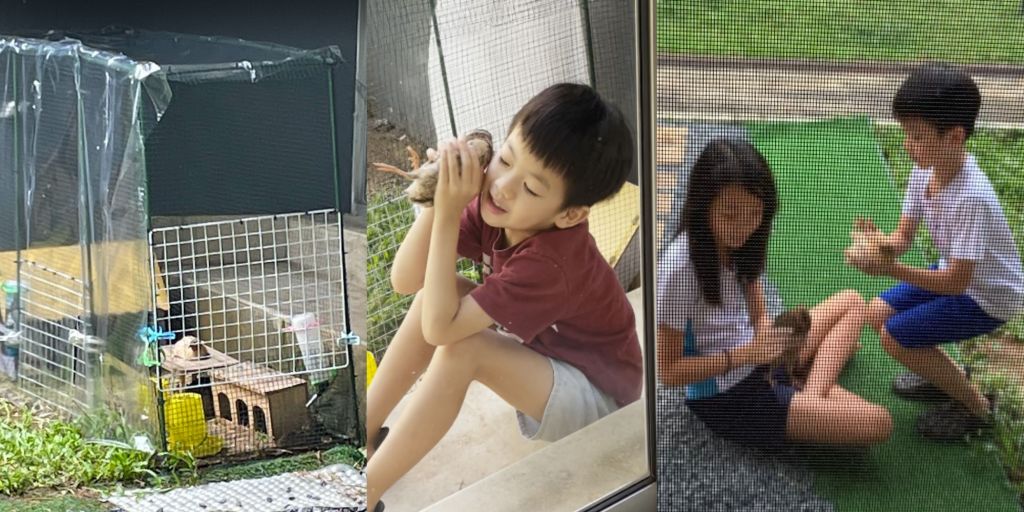
Soon after settling into their new home, we found our first egg: tiny, speckled, and perfect. We were so proud!
But the eggs didn’t stop coming. We soon had too many! So we started giving eggs to our neighbours. We even invited some neighbourhood kids over to visit the quails. They loved picking eggs and meeting the birds. Their curiosity and excitement reminded us of how this journey started with one small egg.
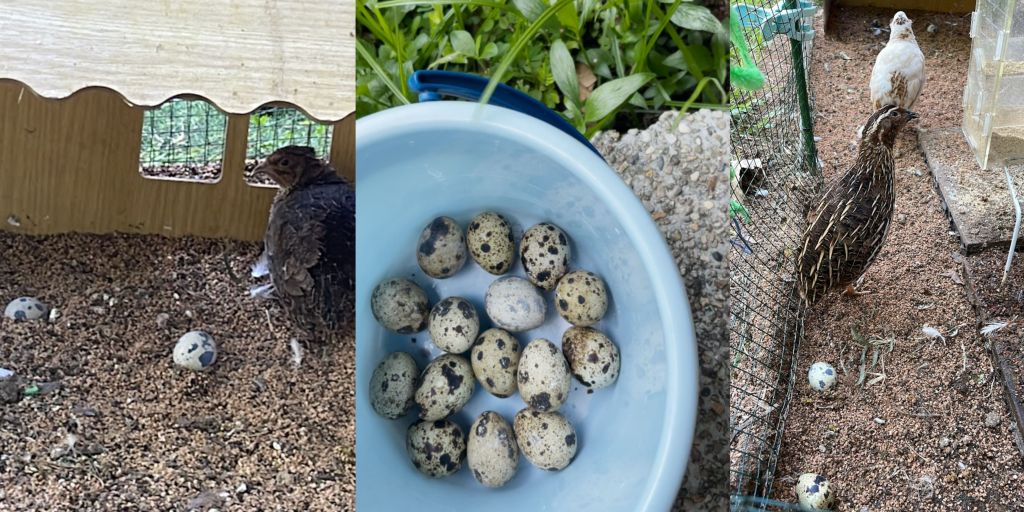
Over time, we started seeing eggs differently. We used to eat them without thinking. But when you raise your own quails, feed them, and build them a home, every egg feels meaningful.
It made us think more deeply about food sustainability, how much effort goes into the food we eat, and why it’s important to waste less, share more, and appreciate where food comes from.
 Smol Boss
Leave a comment